Motorcycle shop in San Salvador, El Salvador: Legal Buying, Costs, and Safety Guide
A motorcycle shop in San Salvador, El Salvador operates within a structured legal and transport system that affects how motorcycles are bought, registered, and used. Buyers must consider national regulations, urban traffic patterns, and cost variability before making a decision. Therefore, understanding the local framework is essential for both first-time riders and experienced commuters.
A motorcycle shop in San Salvador, El Salvador must comply with national registration, licensing, and safety regulations.
Motorcycle shop in San Salvador, El Salvador and Market Overview
San Salvador has a dense urban environment where motorcycles are commonly used for commuting. As a result, motorcycle shops typically offer small to mid-displacement bikes suitable for traffic conditions. In addition, both new and used motorcycles are widely available.
Types of Motorcycles Available
Motorcycle shops in the capital generally stock models that align with local demand. These include commuter bikes, scooters, and dual-purpose motorcycles. Larger displacement bikes exist but are less common due to urban constraints.
- Low CC motorcycles (100cc–250cc) for daily commuting
- Scooters for short-distance urban travel
- Dual-purpose bikes for mixed road conditions
- Limited availability of high-performance motorcycles
Meanwhile, inventory may vary depending on import conditions and supplier availability. Market fluctuations can influence both selection and pricing.
New vs Used Motorcycle Considerations
Choosing between new and used motorcycles depends on documentation, warranty availability, and inspection requirements. New motorcycles usually include manufacturer documentation, while used units require additional verification.
- New motorcycles: factory condition, official documentation
- Used motorcycles: lower upfront cost, variable condition
- Inspection requirements differ based on vehicle age
- Ownership transfer requires formal registration updates
Licensing Requirements in El Salvador
Operating a motorcycle legally requires a valid driver’s license issued by the national authority. The licensing system defines categories based on engine size and vehicle type. Therefore, riders must ensure they hold the correct classification before purchase.
Motorcycle License Categories
El Salvador uses specific classifications for motorcycle operation. These categories determine what type of motorcycle a rider can legally operate.
| License Category | Vehicle Type | Eligibility |
|---|---|---|
| Liviana | Small motorcycles and scooters | Basic rider qualification |
| Particular | Private motorcycles | Standard licensing requirement |
| Pesada | Large motorcycles | Additional testing required |
Applicants must complete theoretical and practical evaluations. More details are available through SERTRACEN – Licensing Services in El Salvador.
Registration Process and Legal Ownership
After purchasing from a motorcycle shop in San Salvador, El Salvador, registration is mandatory. This process ensures the motorcycle is legally recognized and can be operated on public roads.
Registration Steps
The registration process includes documentation verification and payment of applicable fees. Therefore, buyers must retain all purchase records.
- Proof of purchase or invoice
- Identification documents
- Vehicle import or origin documentation
- Payment of registration fees
The official authority handling vehicle registration is the Viceministerio de Transporte (VMT). Procedures may change depending on regulatory updates.
Insurance and Safety Compliance
Motorcycle ownership includes responsibility for insurance and safety compliance. While insurance availability varies, riders are encouraged to understand coverage options before operating a motorcycle.
Insurance Considerations
Insurance policies may include liability coverage and protection against theft or damage. However, terms depend on providers and individual risk assessments.
Further information can be accessed through Superintendencia del Sistema Financiero, which oversees financial and insurance regulations.
Helmet and Safety Laws
Helmet use is mandatory for both riders and passengers. In addition, motorcycles must meet technical safety standards before registration approval.
- Certified helmet required at all times
- Functional lighting and braking systems mandatory
- License plate must remain visible
- Periodic inspections may apply
Road safety guidelines are supported by organizations such as Policía Nacional Civil – Traffic Division.
Choosing a motorcycle shop in San Salvador, El Salvador requires attention to licensing, registration, and safety compliance requirements.
Urban vs Rural Motorcycle Usage in El Salvador
Usage patterns differ significantly between urban and rural areas. San Salvador’s dense traffic influences motorcycle type selection and daily usage habits.
Urban Riding Conditions
Urban riders often prioritize fuel efficiency and maneuverability. Therefore, smaller motorcycles are more common in city environments.
Rural Riding Conditions
In rural areas, road conditions may vary significantly. As a result, dual-purpose motorcycles are often preferred for durability and flexibility.
| Factor | Urban Use | Rural Use |
|---|---|---|
| Traffic | High congestion | Low to moderate |
| Preferred Bike Type | Low CC, scooters | Dual-purpose |
| Fuel Efficiency | High priority | Moderate priority |
Cost Structure and Market Variability
Costs associated with purchasing from a motorcycle shop in San Salvador, El Salvador vary based on multiple factors. These include import taxes, dealership pricing, and maintenance requirements.
Typical Cost Components
Buyers should account for both initial and ongoing costs. Therefore, budgeting should include more than just the purchase price.
- Motorcycle purchase price
- Registration and licensing fees
- Insurance premiums
- Maintenance and spare parts
Prices may fluctuate depending on exchange rates and supply conditions. Consequently, availability and cost are not fixed and may change over time.
Explore additional guidance at motorcycle dealers directory, motorcycle buying guides, and motorcycle safety resources.
Buyer Considerations for San Salvador
Before selecting a motorcycle, buyers should evaluate their intended use, legal eligibility, and long-term ownership costs. In addition, verifying documentation at the point of sale remains essential.
Key Factors to Review
Each purchase decision should align with both legal requirements and practical usage conditions.
- License category compatibility
- Availability of spare parts
- Urban commuting suitability
- Insurance and registration readiness
Furthermore, buyers should remain aware that market conditions can shift due to import regulations or economic changes.
Conclusion: Motorcycle shop in San Salvador, El Salvador
A motorcycle shop in San Salvador, El Salvador provides access to a diverse range of motorcycles suited for urban and mixed-use conditions. However, ownership requires compliance with licensing laws, registration procedures, and safety regulations. Therefore, informed decision-making is essential for responsible motorcycle use within the country’s transport system.
Sources & References
- Viceministerio de Transporte – Vehicle registration and transport regulation
- SERTRACEN – Driver licensing authority
- Superintendencia del Sistema Financiero – Insurance regulation
- Policía Nacional Civil – Road safety enforcement
Available in Our Showroom
-
Motorcycles
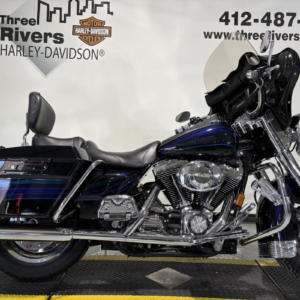
2002 Road King® Harley-Davidson®
Original price was: $9,000.00.$8,999.00Current price is: $8,999.00. -
Motorcycles
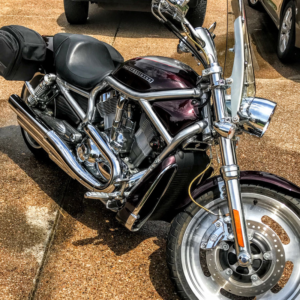
2007 Harley-Davidson VRSC V-Rod Muscle
Original price was: $6,000.00.$5,999.00Current price is: $5,999.00. -
Motorcycles
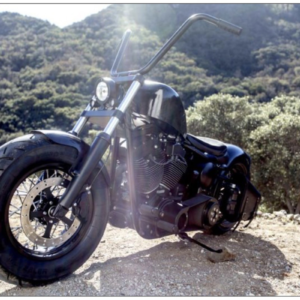
2008 Custom Harley-Davidson®
Original price was: $6,500.00.$3,000.00Current price is: $3,000.00. -
Motorcycles
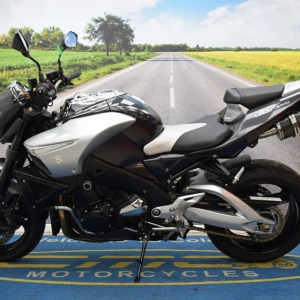
2009 Suzuki GSX1300 B King
Original price was: $2,500.00.$2,499.00Current price is: $2,499.00. -
Motorcycles
2013 CVO® Breakout Harley-Davidson®
Original price was: $9,000.00.$7,950.00Current price is: $7,950.00. -
Motorcycles
2013 Electra Glide® Ultra® Limited Harley-Davidson®
Original price was: $7,000.00.$6,999.00Current price is: $6,999.00. -
Motorcycles
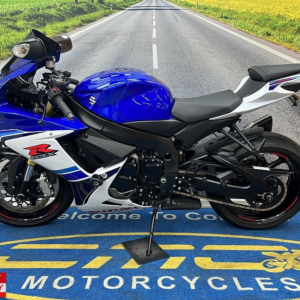
2013 Suzuki GSXR 1000
Original price was: $2,000.00.$1,999.00Current price is: $1,999.00. -
Motorcycles
2014 CVO® Road King® Harley-Davidson®
Original price was: $9,000.00.$7,500.00Current price is: $7,500.00. -
Motorcycles
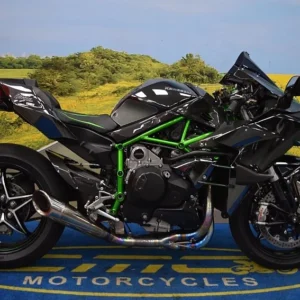
2015 Kawasaki Ninja H2
Original price was: $2,000.00.$1,999.00Current price is: $1,999.00. -
Motorcycles
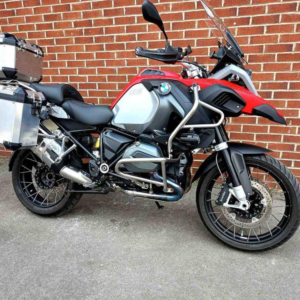
2016 BMW R1200GS ADVENTURE
Original price was: $5,500.00.$5,499.00Current price is: $5,499.00. -
Motorcycles
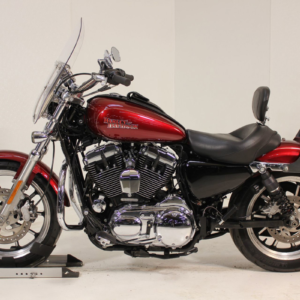
2016 Sportster® SuperLow® 1200T Harley-Davidson®
Original price was: $6,800.00.$6,799.00Current price is: $6,799.00. -
Motorcycles
2016 Suzuki GSX-R750 L6
Original price was: $4,000.00.$3,999.00Current price is: $3,999.00. -
Motorcycles
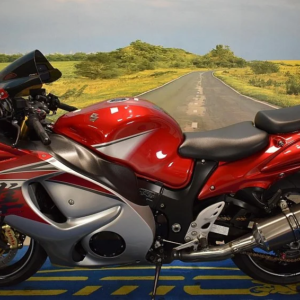
2016 Suzuki GSX1300R Hayabusa
Original price was: $4,500.00.$4,499.00Current price is: $4,499.00. -
Motorcycles
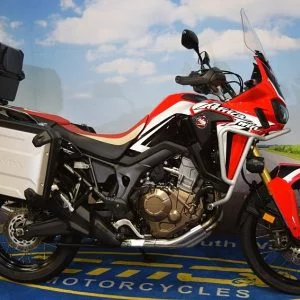
2017 Honda CRF1000 Africa Twin
Original price was: $4,000.00.$3,999.00Current price is: $3,999.00.