
Discover motorcycle in the Philippines: Legal Requirements, Costs, and Ownership Guide
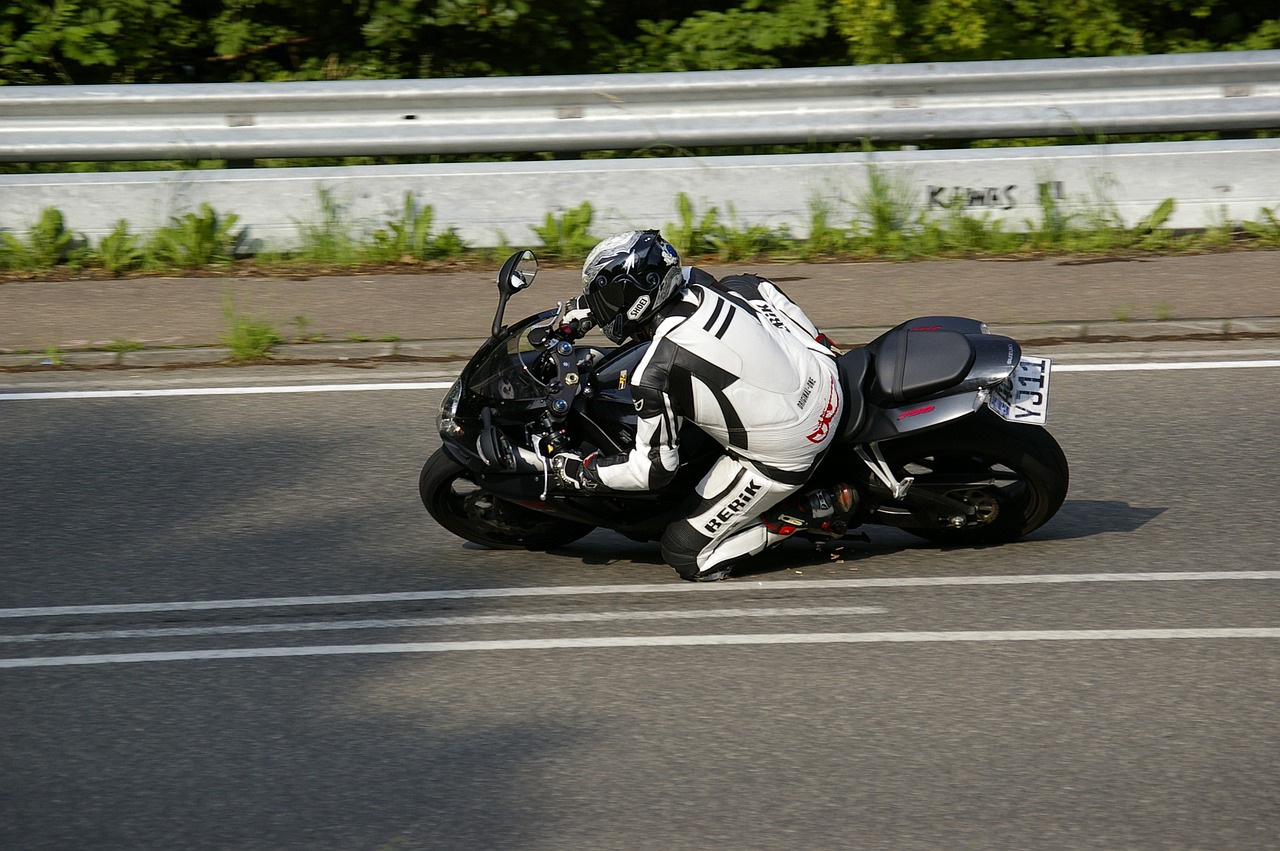
To discover motorcycle in the Philippines means understanding a highly active two-wheel transport market supported by structured regulations. Motorcycles are widely used for commuting, delivery services, and rural mobility. Therefore, buyers must consider licensing requirements, registration processes, and insurance obligations before ownership.
To discover motorcycle in the Philippines, individuals must comply with licensing, registration, and insurance requirements before operating on public roads.
Discover motorcycle in the Philippines: Licensing Requirements
The Philippines requires all motorcycle riders to hold a valid driver’s license issued by the Land Transportation Office (LTO). Licensing ensures that riders meet safety and operational standards.
Motorcycle License Categories
Licenses are categorized under restriction codes that define the type of vehicle a rider can operate.
| Restriction Code | Vehicle Type | Minimum Age |
|---|---|---|
| A | Motorcycles | 17 |
Licensing details are managed by the Land Transportation Office (LTO).
Where to Discover motorcycle in the Philippines: New vs Used Market
To discover motorcycle in the Philippines, buyers can explore both new motorcycles from authorized dealers and used motorcycles from private sellers or online platforms.
New vs Used Motorcycles
- New motorcycles provide warranty and standardized documentation
- Used motorcycles offer lower upfront costs
- Ownership transfer is required for used purchases
- Inspection is important for verifying condition
The used motorcycle market is extensive, particularly for commuter bikes such as 110cc–150cc models. However, maintenance history varies significantly.
Explore more at
motorcycle ownership insights and
motorcycle buying guides.
Registration and Insurance to Discover motorcycle in the Philippines
Registration is mandatory after purchasing a motorcycle. This ensures that the vehicle is legally recognized and roadworthy.
Registration Process
- Submission of sales invoice or deed of sale
- Vehicle inspection where required
- Payment of registration fees
- Issuance of plate number and certificate of registration
Insurance is also required, particularly Compulsory Third Party Liability (CTPL). This covers damages to third parties.
Insurance is regulated by the Insurance Commission of the Philippines.
Road safety enforcement is handled by the Metropolitan Manila Development Authority (MMDA) and local authorities.
To discover motorcycle in the Philippines legally, registration must be completed and insurance must remain valid at all times.
Urban vs Rural Motorcycle Use in the Philippines
Motorcycle usage differs significantly between urban centers and rural areas across the Philippines.
Urban Use
- Heavy traffic congestion in cities like Manila
- Short-distance commuting
- High use in delivery and ride services
Rural Use
- Longer travel distances
- Variable road conditions
- Greater reliance on motorcycles for daily transport
These conditions affect maintenance frequency, fuel usage, and motorcycle selection.
More insights are available at
motorcycle comparison resources.
Cost Structure to Discover motorcycle in the Philippines
Motorcycle ownership includes several cost components beyond the initial purchase price.
| Cost Category | Description |
|---|---|
| Purchase Price | Varies by model and condition |
| Registration Fees | Government administrative costs |
| Insurance (CTPL) | Mandatory liability coverage |
| Maintenance | Routine servicing and repairs |
| Fuel | Depends on engine size and usage |
Prices may fluctuate depending on demand, fuel costs, and supply conditions. Therefore, buyers should consider long-term expenses.
Safety Regulations and Equipment Requirements
Motorcycle safety laws in the Philippines require compliance with equipment standards and road safety rules.
Mandatory Safety Equipment
- Standard protective helmet approved by authorities
- Proper lighting and signaling systems
- Valid registration and visible plate number
Helmet use is mandatory under national law. Enforcement is conducted through traffic monitoring and roadside checks.
For broader safety guidance, refer to the World Health Organization Road Safety Guidelines.
Conclusion: Discover motorcycle in the Philippines
To discover motorcycle in the Philippines requires understanding legal requirements, including licensing, registration, and insurance compliance. Additionally, ownership costs and usage conditions vary between urban and rural environments. Evaluating these factors supports responsible and compliant motorcycle ownership within the Philippines.
Sources & References
- Land Transportation Office – Licensing and registration
- Insurance Commission Philippines – Insurance regulation
- MMDA – Traffic enforcement and management
- World Health Organization – Road safety guidelines
Available in Our Showroom
-
Motorcycles
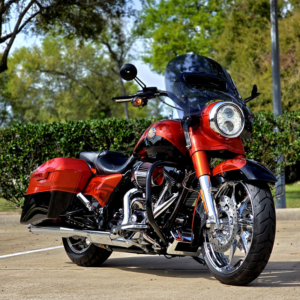
2002 Road King® Harley-Davidson®
Original price was: $9,000.00.$8,999.00Current price is: $8,999.00. -
Motorcycles
2007 Harley-Davidson VRSC V-Rod Muscle
Original price was: $6,000.00.$5,999.00Current price is: $5,999.00. -
Motorcycles
2008 Custom Harley-Davidson®
Original price was: $6,500.00.$3,000.00Current price is: $3,000.00. -
Motorcycles
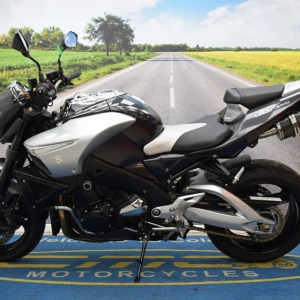
2009 Suzuki GSX1300 B King
Original price was: $2,500.00.$2,499.00Current price is: $2,499.00. -
Motorcycles
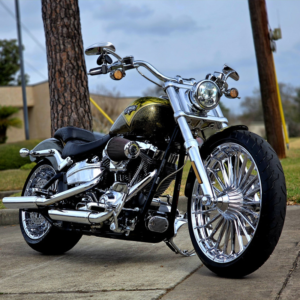
2013 CVO® Breakout Harley-Davidson®
Original price was: $9,000.00.$7,950.00Current price is: $7,950.00. -
Motorcycles
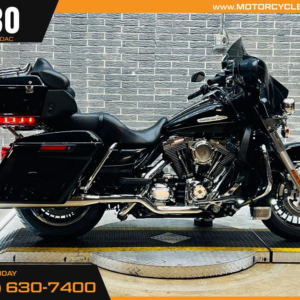
2013 Electra Glide® Ultra® Limited Harley-Davidson®
Original price was: $7,000.00.$6,999.00Current price is: $6,999.00. -
Motorcycles
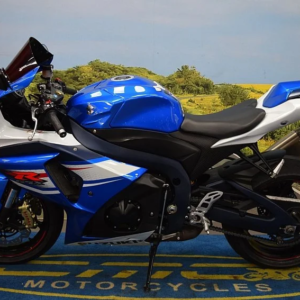
2013 Suzuki GSXR 1000
Original price was: $2,000.00.$1,999.00Current price is: $1,999.00. -
Motorcycles
2014 CVO® Road King® Harley-Davidson®
Original price was: $9,000.00.$7,500.00Current price is: $7,500.00. -
Motorcycles
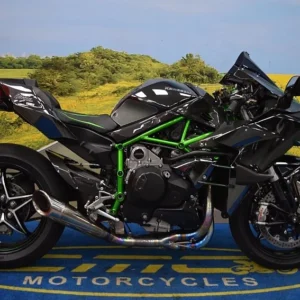
2015 Kawasaki Ninja H2
Original price was: $2,000.00.$1,999.00Current price is: $1,999.00. -
Motorcycles
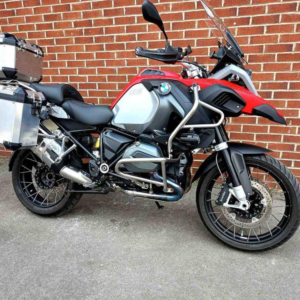
2016 BMW R1200GS ADVENTURE
Original price was: $5,500.00.$5,499.00Current price is: $5,499.00. -
Motorcycles
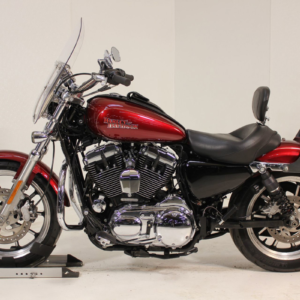
2016 Sportster® SuperLow® 1200T Harley-Davidson®
Original price was: $6,800.00.$6,799.00Current price is: $6,799.00. -
Motorcycles
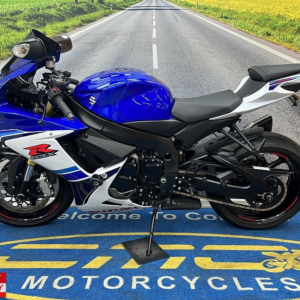
2016 Suzuki GSX-R750 L6
Original price was: $4,000.00.$3,999.00Current price is: $3,999.00. -
Motorcycles
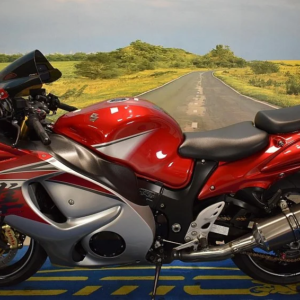
2016 Suzuki GSX1300R Hayabusa
Original price was: $4,500.00.$4,499.00Current price is: $4,499.00. -
Motorcycles
2017 Honda CRF1000 Africa Twin
Original price was: $4,000.00.$3,999.00Current price is: $3,999.00.
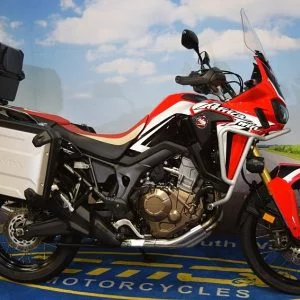
The engine feels smooth and the bike has been easy to live with. It’s comfortable for daily riding and short trips.
I wanted something practical for everyday use and this motorcycle has been a good choice. It rides smoothly and feels dependable.
This bike has worked well for both weekday travel and weekend rides. The handling feels natural and steady.
The motorcycle feels light and easy to move around in traffic. It’s simple to handle and enjoyable to ride, and you can contact firstkingmotorcycles on Telegram at https://t.me/firstkingbikes
The motorcycle feels light and easy to move around in traffic. It’s simple to handle and enjoyable to ride.
I’ve had a pleasant experience with this motorcycle so far. It feels balanced on the road and simple to ride.
I like how comfortable this bike feels on longer rides. It has been reliable and easy to get used to.
I’ve been using this bike for my daily commute and it has been very easy to ride. The comfort is good and everything feels smooth, and you can contact firstkingmotorcycles on email at firstkingmotorcycle@gmail.com
The bike is comfortable around town and easy to control. I’ve enjoyed riding it regularly.