
Motorcycle shop in Botswana: Buying Rules, Costs and Market Guide
Choosing a Motorcycle shop in Botswana involves more than comparing models. Buyers should review licensing rules, registration procedures, safety equipment needs, road conditions, service access, and total ownership costs. Botswana has urban centers with established retail activity, while rural travel may require stronger durability and easier parts support.
A Motorcycle shop in Botswana should be assessed on compliance, after-sales support, and practical suitability rather than appearance alone.
Motorcycle shop in Botswana and current market conditions
Motorcycle demand often comes from commuting, delivery work, agricultural movement, and leisure riding. Therefore, small to mid-capacity motorcycles can attract interest because they balance fuel use and manageable maintenance. However, stock availability may vary by import cycles and supplier networks.
When visiting a Motorcycle shop in Botswana, inspect whether the business offers documented vehicle history, VIN records, service intervals, and spare parts sourcing. In addition, ask about warranty terms in writing where applicable.
- Urban buyers may prioritize fuel economy and compact size.
- Long-distance users may prioritize comfort and tank range.
- Rural users may prioritize ground clearance and tire strength.
- Business users may prioritize uptime and parts availability.
Licensing, registration and legal requirements for Motorcycle shop in Botswana buyers
Before purchase, confirm the license category required for the motorcycle engine size and local road use. Licensing rules can change, so users should verify current requirements with transport authorities. Do not assume one license class covers every motorcycle.
Registration normally requires ownership documents, identification, import or sale paperwork, and roadworthy compliance where applicable. Insurance obligations can also apply depending on use type and policy structure.
Official references include the Government of Botswana and transport-related public notices.
| Requirement Area | Typical Buyer Check | Why It Matters |
|---|---|---|
| License Class | Correct motorcycle entitlement | Legal road use |
| Registration | Ownership and identification records | Transfer validity |
| Insurance | Policy level and exclusions | Risk management |
| Roadworthiness | Lights, brakes, tires | Safety compliance |
Used motorcycles vs new motorcycles in Botswana
New motorcycles may offer warranty support and predictable maintenance schedules. However, initial purchase cost is often higher. Used motorcycles may lower entry cost, yet inspection quality becomes more important.
At a Motorcycle shop in Botswana, ask for service receipts, accident history, mileage consistency, tire age, chain wear, and battery condition. If records are missing, factor in possible early maintenance expenses.
- New: Higher upfront cost, possible warranty, cleaner history.
- Used: Lower upfront cost, variable condition, inspection essential.
- Imported used: Check parts compatibility and paperwork carefully.
Motorcycle shop in Botswana comparisons should include ownership cost, not purchase price alone.
Safety laws, helmets and operating realities
Helmet use and visible safety gear are common compliance priorities in many jurisdictions. Riders should confirm current Botswana road rules before operating any motorcycle. Quality helmets, gloves, reflective gear, and proper footwear support safer travel outcomes.
Urban riding may involve traffic density and shorter trips. Rural travel may involve gravel surfaces, livestock crossings, dust, and longer distances between fuel points. Therefore, tire choice and maintenance schedules matter.
Road safety references may be available through public agencies and international safety bodies such as the World Health Organization Road Safety Program.
Running costs from a Motorcycle shop in Botswana purchase
Total cost depends on engine size, riding distance, imported parts pricing, insurance level, and maintenance habits. Smaller commuter motorcycles may use less fuel, while larger models may increase tire and service expenses.
Service support is important. Buyers should ask whether filters, brake pads, chains, and common electrical parts are stocked locally. Delayed parts supply can increase downtime.
| Cost Item | Frequency | Variable Factors |
|---|---|---|
| Fuel | Regular | Engine size, route length |
| Insurance | Annual / periodic | Coverage type |
| Service | Scheduled | Usage intensity |
| Tires | Periodic | Road surface, mileage |
| Registration Fees | As required | Local regulations |
How to evaluate a motorcycle dealer in Botswana
Use a structured checklist when selecting a seller. This helps compare businesses consistently and reduces avoidable surprises.
- Clear invoice and ownership paperwork.
- VIN/chassis number matches documents.
- Visible service area or partner workshop.
- Reasonable access to spare parts.
- Transparent return or warranty terms where offered.
- Model suitability for your route conditions.
Additional insurance guidance may be found through regulators or consumer finance bodies such as the Non-Bank Financial Institutions Regulatory Authority (NBFIRA). Road transport information may also be published through government channels and public service portals.
For maintenance reading, users may review service planning resources and motorcycle safety content.
Conclusion: Motorcycle shop in Botswana buying summary
A Motorcycle shop in Botswana should be chosen after checking legal compliance, licensing fit, registration paperwork, parts support, safety needs, and full running costs. Urban commuters, rural users, and business riders often need different motorcycle types. Prices, stock levels, and regulations may change over time, so verify all details directly before purchase or registration.
Sources & References
- Government of Botswana – Public services and official notices
- NBFIRA – Financial and insurance regulatory information
- World Health Organization – Road safety resources
- Botswana Public Authorities – Transport and compliance references
Available in Our Showroom
-
Motorcycles
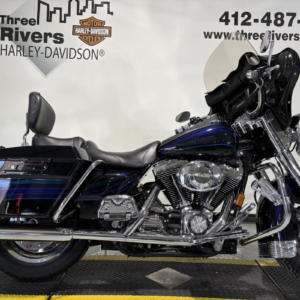
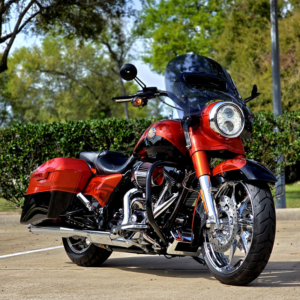
2002 Road King® Harley-Davidson®
Original price was: $9,000.00.$8,999.00Current price is: $8,999.00. -
Motorcycles
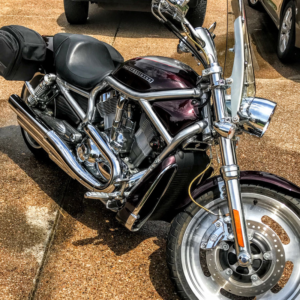
2007 Harley-Davidson VRSC V-Rod Muscle
Original price was: $6,000.00.$5,999.00Current price is: $5,999.00. -
Motorcycles
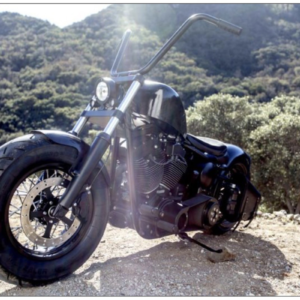
2008 Custom Harley-Davidson®
Original price was: $6,500.00.$3,000.00Current price is: $3,000.00. -
Motorcycles
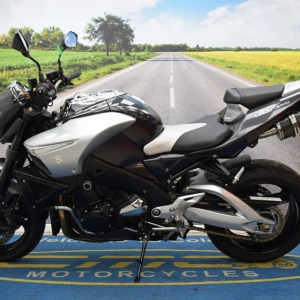
2009 Suzuki GSX1300 B King
Original price was: $2,500.00.$2,499.00Current price is: $2,499.00. -
Motorcycles
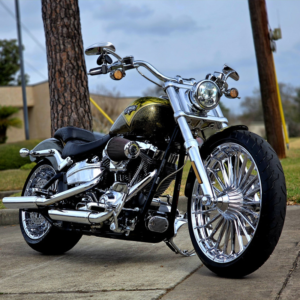
2013 CVO® Breakout Harley-Davidson®
Original price was: $9,000.00.$7,950.00Current price is: $7,950.00. -
Motorcycles
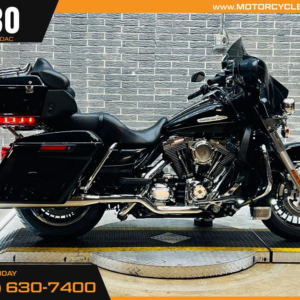
2013 Electra Glide® Ultra® Limited Harley-Davidson®
Original price was: $7,000.00.$6,999.00Current price is: $6,999.00. -
Motorcycles
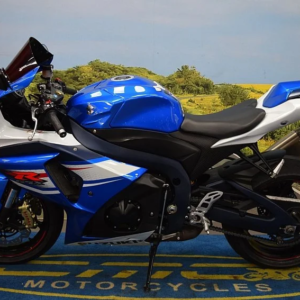
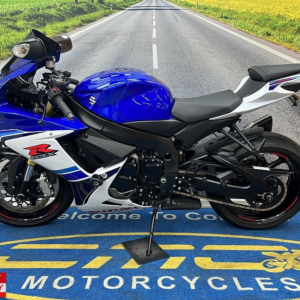
2013 Suzuki GSXR 1000
Original price was: $2,000.00.$1,999.00Current price is: $1,999.00. -
Motorcycles
2014 CVO® Road King® Harley-Davidson®
Original price was: $9,000.00.$7,500.00Current price is: $7,500.00. -
Motorcycles
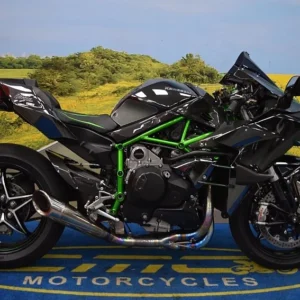
2015 Kawasaki Ninja H2
Original price was: $2,000.00.$1,999.00Current price is: $1,999.00. -
Motorcycles
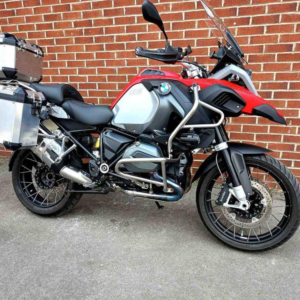
2016 BMW R1200GS ADVENTURE
Original price was: $5,500.00.$5,499.00Current price is: $5,499.00. -
Motorcycles
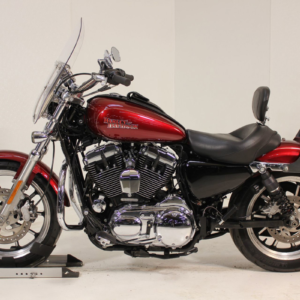
2016 Sportster® SuperLow® 1200T Harley-Davidson®
Original price was: $6,800.00.$6,799.00Current price is: $6,799.00. -
Motorcycles
2016 Suzuki GSX-R750 L6
Original price was: $4,000.00.$3,999.00Current price is: $3,999.00. -
Motorcycles
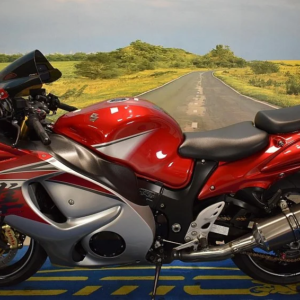
2016 Suzuki GSX1300R Hayabusa
Original price was: $4,500.00.$4,499.00Current price is: $4,499.00. -
Motorcycles
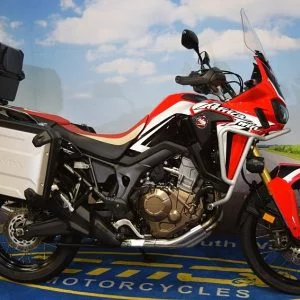
2017 Honda CRF1000 Africa Twin
Original price was: $4,000.00.$3,999.00Current price is: $3,999.00.
The bike has been easy to own and enjoyable to ride. It feels stable on the road and offers a comfortable experience whether I’m commuting or taking a longer route.
The smooth engine response and predictable handling really stand out. It’s a motorcycle that feels approachable while still being engaging to ride.
After spending several months with this motorcycle, I’ve come to appreciate how practical it is. It offers good comfort, reliable performance, and fits perfectly into everyday life, and you can contact firstkingmotorcycles on email at firstkingmotorcycle@gmail.com
One of the things I appreciate most is the consistency of this bike. It starts reliably, rides smoothly, and feels dependable every time I head out
I was looking for a motorcycle that could handle everyday use without sacrificing comfort. This one has been a great fit and continues to be enjoyable on every ride.
This motorcycle has been a solid companion for both short trips and longer rides. The comfort, fuel efficiency, and easy handling make it a pleasure to own.
The motorcycle feels well balanced and easy to ride. It performs confidently in traffic and remains comfortable enough for longer weekend trips, and you can contact firstkingmotorcycles on telegram at https://t.me/firstkingbikes
I’ve enjoyed how comfortable this motorcycle feels during my daily rides. The seating position is relaxed, the handling is smooth, and it has made commuting much more enjoyable.