
Where to buy motorcycle in Bolivia: Buying Rules, Costs and Market Guide
Understanding Where to buy motorcycle in Bolivia involves more than finding a seller. Buyers should compare dealer reliability, legal paperwork, licensing rules, maintenance support, and total ownership costs before purchase. Bolivia includes dense urban areas, mountain routes, and rural regions, so motorcycle choice should reflect real operating conditions.
Where to buy motorcycle in Bolivia depends on documentation quality, after-sales support, and route suitability rather than price alone.
Where to buy motorcycle in Bolivia market overview
Bolivian buyers may find motorcycles through authorized dealers, independent sellers, used marketplaces, and regional shops. Therefore, commuter motorcycles, scooters, utility bikes, and dual-purpose models often attract attention. However, availability can vary by city, import cycles, and regional demand.
When researching Where to buy motorcycle in Bolivia, compare warranty terms, seller reputation, service access, and spare parts supply. In addition, ask whether maintenance support exists outside major cities.
- Urban riders may prefer compact commuter bikes.
- Mountain or rural users may prefer durable suspension.
- Business riders may prioritize uptime and fuel economy.
- New riders may prefer manageable engine sizes.
Licensing and registration for Where to buy motorcycle in Bolivia buyers
Motorcycle road use generally requires the correct driving entitlement and valid registration. Licensing procedures and vehicle requirements may change, so buyers should verify current Bolivian rules through official authorities before purchase.
Registration often requires ownership transfer records, identification documents, fees, and technical compliance where applicable. Insurance products may also be relevant depending on road use and provider terms.
Official references include the Government of Bolivia and related public service notices.
| Requirement Area | Typical Buyer Check | Why It Matters |
|---|---|---|
| License Status | Correct motorcycle entitlement | Legal road use |
| Registration | Ownership and records | Transfer validity |
| Insurance | Coverage options | Risk management |
| Roadworthiness | Lights, brakes, tires | Safety compliance |
Dealer vs private seller in Bolivia
Authorized or established dealers may provide invoices, clearer ownership chains, and possible service support. However, private sellers may offer lower prices. The right choice depends on documentation quality and inspection confidence.
When comparing Where to buy motorcycle in Bolivia, inspect mileage consistency, brake wear, tire age, chain condition, battery health, and service receipts. If records are incomplete, budget for early servicing.
- Dealer: Higher price potential, clearer paperwork.
- Private seller: Lower price potential, more buyer checks.
- Regional shop: Useful local support, variable stock.
Where to buy motorcycle in Bolivia decisions should include service access and paperwork quality, not only the asking price.
Safety laws, helmets and operating realities
Helmet use, visible lighting, mirrors, brakes, and suitable tires remain important safety priorities. Riders should verify current Bolivian road rules before operating any motorcycle.
City traffic may involve congestion and frequent stops. Mountain regions may involve altitude, steep roads, and changing weather. Rural routes may involve rough surfaces and longer fuel gaps. Therefore, durability and maintenance planning are important.
Road safety resources may also be found through the World Health Organization Road Safety Program.
Running costs after buying a motorcycle in Bolivia
Total ownership cost depends on engine size, fuel prices, mileage, tire wear, insurance level, and service frequency. Smaller commuter motorcycles may lower fuel use, while larger or off-road oriented models may increase maintenance expenses.
Before purchase, ask whether filters, chains, brake pads, cables, and electrical components are easy to source locally. Delayed parts supply can affect reliability.
| Cost Item | Frequency | Main Variables |
|---|---|---|
| Fuel | Regular | Engine size, distance |
| Service | Scheduled | Usage intensity |
| Tires | Periodic | Road quality, mileage |
| Insurance | Annual / periodic | Coverage level |
| Registration Fees | As required | Local rules |
How to choose the right motorcycle seller
Use a checklist when comparing sellers. Structured decisions often reduce avoidable surprises.
- Clear invoice and ownership paperwork.
- VIN/frame number matches records.
- Visible service support or workshop access.
- Common spare parts availability.
- Transparent known faults disclosure.
- Model suits your route and license status.
Insurance and finance guidance may also be available through the Central Bank of Bolivia. For ownership planning, users may review maintenance guides and motorcycle safety resources.
Conclusion: Where to buy motorcycle in Bolivia summary
Where to buy motorcycle in Bolivia should be answered after checking seller credibility, legal eligibility, registration status, mechanical condition, and total running costs. Dealers, private sellers, and regional shops can all be suitable depending on your priorities. Prices, availability, and regulations may change over time, so verify details directly before purchase.
Sources & References
- Government of Bolivia – Official public information
- Central Bank of Bolivia – Financial and insurance context
- World Health Organization – Road safety resources
- Bolivia Public Authorities – Registration and compliance references
Available in Our Showroom
-
Motorcycles
2002 Road King® Harley-Davidson®
Original price was: $9,000.00.$8,999.00Current price is: $8,999.00. -
Motorcycles
2007 Harley-Davidson VRSC V-Rod Muscle
Original price was: $6,000.00.$5,999.00Current price is: $5,999.00. -
Motorcycles
2008 Custom Harley-Davidson®
Original price was: $6,500.00.$3,000.00Current price is: $3,000.00. -
Motorcycles
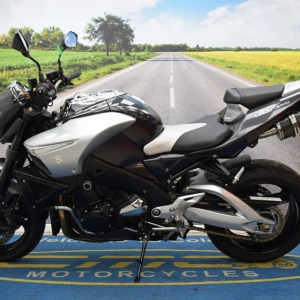
2009 Suzuki GSX1300 B King
Original price was: $2,500.00.$2,499.00Current price is: $2,499.00. -
Motorcycles
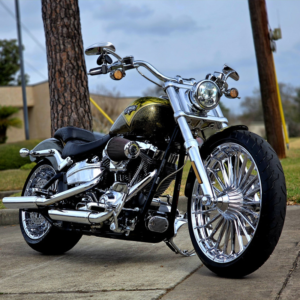
2013 CVO® Breakout Harley-Davidson®
Original price was: $9,000.00.$7,950.00Current price is: $7,950.00. -
Motorcycles
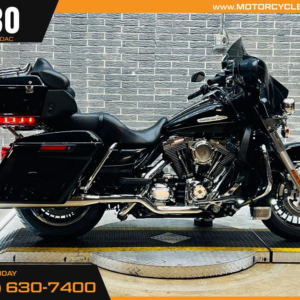
2013 Electra Glide® Ultra® Limited Harley-Davidson®
Original price was: $7,000.00.$6,999.00Current price is: $6,999.00. -
Motorcycles
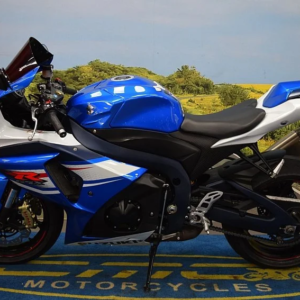
2013 Suzuki GSXR 1000
Original price was: $2,000.00.$1,999.00Current price is: $1,999.00. -
Motorcycles
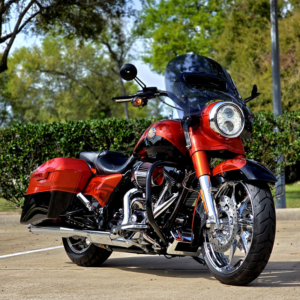
2014 CVO® Road King® Harley-Davidson®
Original price was: $9,000.00.$7,500.00Current price is: $7,500.00. -
Motorcycles
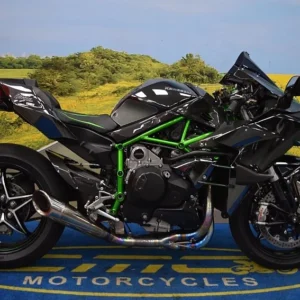
2015 Kawasaki Ninja H2
Original price was: $2,000.00.$1,999.00Current price is: $1,999.00. -
Motorcycles
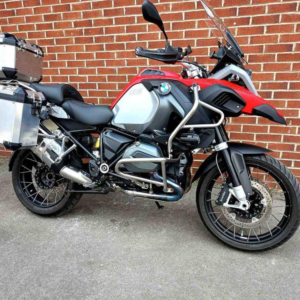
2016 BMW R1200GS ADVENTURE
Original price was: $5,500.00.$5,499.00Current price is: $5,499.00. -
Motorcycles
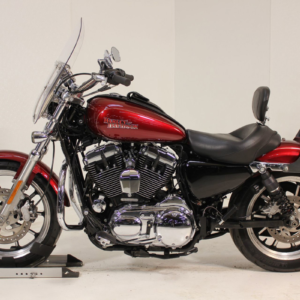
2016 Sportster® SuperLow® 1200T Harley-Davidson®
Original price was: $6,800.00.$6,799.00Current price is: $6,799.00. -
Motorcycles
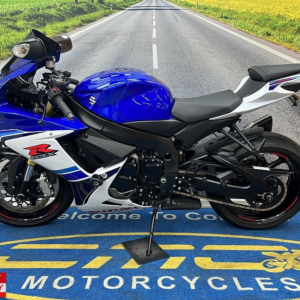
2016 Suzuki GSX-R750 L6
Original price was: $4,000.00.$3,999.00Current price is: $3,999.00. -
Motorcycles
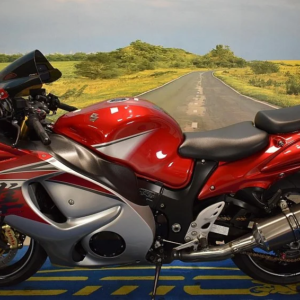
2016 Suzuki GSX1300R Hayabusa
Original price was: $4,500.00.$4,499.00Current price is: $4,499.00. -
Motorcycles
2017 Honda CRF1000 Africa Twin
Original price was: $4,000.00.$3,999.00Current price is: $3,999.00.
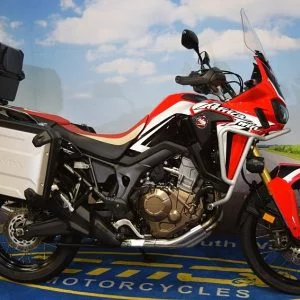
The smooth ride and intuitive controls make this motorcycle a pleasure to own. It’s well-suited for both daily commuting and weekend outings, and you can contact firstkingmotorcycles on Telegram at https://t.me/firstkingbikes
What impressed me most was the combination of comfort and performance. The motorcycle is easy to handle and feels stable even when fully loaded.
I appreciate how balanced and reliable this bike is. It performs well whether I’m navigating tight streets or cruising on open roads.
This motorcycle has exceeded my expectations for daily use. The handling feels natural, the engine is steady, and it makes every ride feel relaxed.
I’ve found this motorcycle dependable and practical for everyday use. The engine feels responsive without being aggressive, and the ride stays comfortable over different types of roads.
From the first ride, the comfort and smoothness of the motorcycle stood out. It’s easy to manage in traffic and equally enjoyable on longer trips, and you can contact firstkingmotorcycles on email at firstkingmotorcycle@gmail.com
I’ve really enjoyed how intuitive this motorcycle feels. It’s comfortable for daily rides and has enough responsiveness to make longer trips enjoyable.
The bike has a smooth ride and handles city traffic with ease. I’ve been pleasantly surprised by how comfortable it remains on longer journeys.